

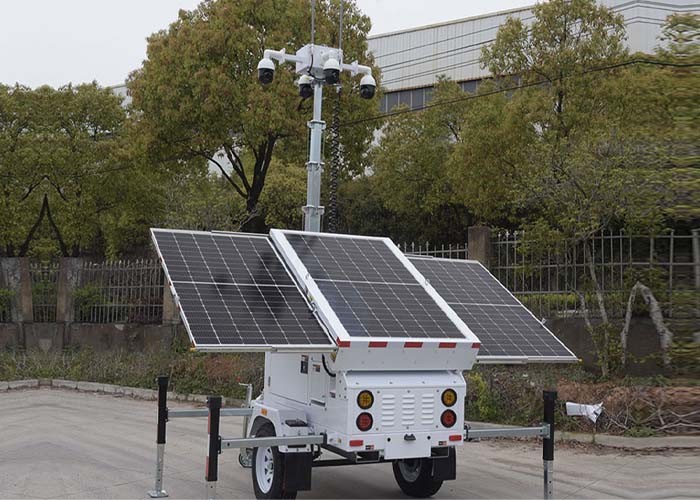
Property security often starts with one big question. Can a single outdoor wireless video security camera watch the entire perimeter of a property? At first, it sounds like an easy fix. One camera, one setup, and everything stays protected. But security rarely works that simply. Many things affect camera coverage. The size of the area, lighting, obstacles, and camera placement all matter. Knowing how these factors work helps property owners choose the right security setup.
What Does Perimeter Security Really Mean?
Perimeter security means watching the outer edges of a property. This includes areas like gates, fences, driveways, parking spaces, and entry points. The goal is simple. Spot suspicious activity before someone enters the property. A security camera helps by recording video and sending alerts when movement happens. However, even a powerful outdoor wireless video security camera cannot see everywhere at once. Walls block views. Trees create shadows. Corners hide movement. Because of this, proper planning matters.
Can One Camera Cover Everything?
Here is the honest answer. Sometimes yes. Most of the time, no. One camera can work well in small areas. But larger spaces often need more than one camera. Think of it like using a flashlight in the dark. It lights up one spot clearly. But the rest of the room stays dim. The same idea applies to security cameras.
Places where one camera may work
- Small offices
- Narrow driveways
- Tiny parking lots
- Single entrance buildings
In these cases, smart placement might cover the entire space. But once the area grows bigger, problems start to appear.
The Problem With Blind Spots
Blind spots are areas the camera cannot see. And honestly, they cause the biggest security headaches. Blind spots happen when objects block the camera view.
These objects can include:
- Trees and bushes
- Building corners
- Trucks or parked cars
- Storage containers
Even the best outdoor wireless video security camera cannot see through solid objects. That means someone could move through those hidden spots without being recorded. Not ideal, right?
What Affects Camera Coverage?
Several factors decide how much area a camera can watch. Let us break them down in simple terms.
1. Field of View
Field of view means how wide the camera can see.
| Camera Type | Viewing Angle | Coverage |
|---|---|---|
| Standard Camera | 70°–90° | Smaller areas |
| Wide-Angle Camera | 110°–130° | Medium areas |
| Ultra-Wide Camera | 150°–180° | Large areas |
Wider angles cover more space. But there is a catch. The wider the view, the smaller objects may appear in the video.
-
Camera Resolution
Resolution affects how clear the video looks.
| Resolution | Image Quality | Best Use |
|---|---|---|
| 1080p | Clear but basic | Smaller areas |
| 2K | Sharper images | Medium spaces |
| 4K | Very detailed | Large properties |
Higher resolution helps cameras identify faces, vehicles, and license plates. This becomes very important when cameras cover wide areas.
-
Camera Placement
Placement is a big deal in security. Put a camera in the wrong spot, and half the area may disappear from view.
Experts usually suggest:
- Mount cameras 10 to 20 feet high
- Angle them slightly downward
- Avoid pointing directly at bright lights
- Focus on entry points first
Good placement helps an outdoor wireless video security camera perform much better.
When One Camera Might Actually Work
There are situations where one camera does the job just fine.
These spaces usually have:
- One main entrance
- Clear open views
- Very small areas
For example:
- Small retail shops
- Storage unit gates
- Small office parking areas
In these setups, one camera can capture almost everything. Still, it is important to test the camera view before relying on it fully.
Why Larger Properties Need More Cameras
Now let us talk about bigger spaces. Large properties almost always need multiple cameras.
Examples include:
- Construction sites
- Warehouses
- Industrial yards
- Apartment complexes
- Shopping centers
These places have many entry points and wide open areas. A single camera simply cannot keep an eye on everything. Using multiple cameras helps reduce blind spots and improves overall safety.
Why Are Wireless Cameras Popular?
Wireless cameras are becoming more common for outdoor security. They are easy to install and flexible to use.
Here are some benefits:
- Faster setup
- No complicated wiring
- Remote viewing through apps
- Easy repositioning
- Scalable security systems
This flexibility makes them useful for temporary locations and growing properties.
Single Camera vs Multiple Cameras
Here is a quick comparison.
| Feature | Single Camera | Multiple Cameras |
|---|---|---|
| Cost | Lower start cost | Higher start cost |
| Coverage | Limited | Wider coverage |
| Blind Spots | More likely | Fewer blind spots |
| Security Level | Basic | Stronger |
While one camera saves money at first, multiple cameras usually provide better long-term protection.
Strengthen Your Property Security Today
Smart monitoring solutions help reduce blind spots and improve response time. Mobile systems can also expand protection quickly when security needs grow. For organizations looking for flexible monitoring options, solutions like a parking lot CCTV trailer can provide broader visibility and stronger perimeter coverage.
Contact Allied Remote Technology to explore reliable security solutions designed for modern properties.
Frequently Asked Questions
Can one security camera monitor a large property?
Usually not. Large properties contain many corners, entrances, and obstacles. One camera may capture some activity, but it cannot monitor every area. Multiple cameras provide better visibility and reduce blind spots.
What height should outdoor cameras be installed?
Most experts recommend placing cameras 10 to 20 feet above the ground. This height gives a wider view while keeping the camera safe from damage or tampering.
Do wireless security cameras work at night?
Yes, most modern cameras include night vision technology. Infrared sensors allow cameras to record even in low light. However, good lighting still improves video quality.
How wide can security cameras see?
Most cameras see between 70 and 130 degrees. Some ultra-wide models reach close to 180 degrees. Wider views cover more space but may reduce image detail at long distances.
Are wireless cameras good for temporary sites?
Yes, wireless cameras are perfect for temporary locations. They install quickly and can move easily when site layouts change.