Intelligent Monitoring That Keeps Manufacturing Running Smoothly Around the Clock
Running operations smoothly takes more than luck. It takes visibility, control, and fast action. In manufacturing, downtime can hit hard. Delays cost money. Safety risks grow. Equipment issues can snowball fast. That is why smart remote monitoring has become a practical must-have.
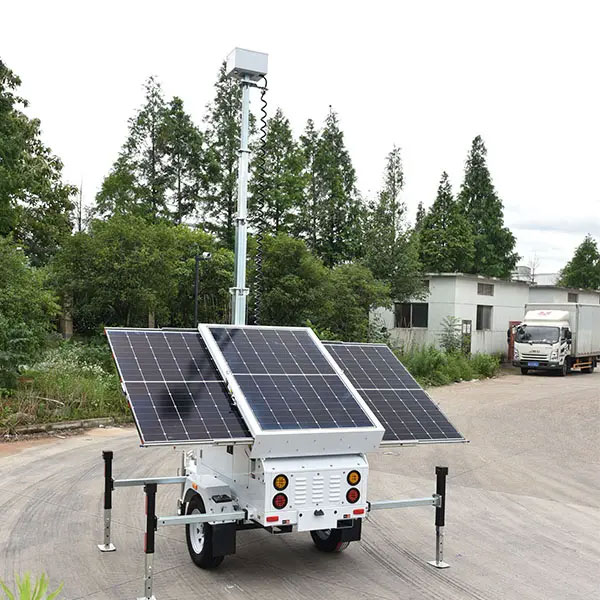
From warehouses to job sites, businesses need systems that work around the clock. Real-time alerts help prevent theft, reduce disruptions, and improve workflow. Better yet, remote technology allows teams to stay informed without always being on-site.
Security should not feel like guesswork. Instead, it should feel simple, clear, and dependable.
What Challenges Does Modern Manufacturing Face?
Operations today deal with more moving parts than ever. Because of that, staying ahead requires smarter systems.
Common concerns include:
- Equipment downtime
- Unauthorized site access
- Supply chain interruptions
- Temporary site vulnerabilities
- Fleet and asset tracking issues
Moreover, traditional systems often fall short. Many setups are rigid. Some are outdated. Others simply cannot adapt.
That is where custom remote solutions step in.
So, How Can Remote Technology Help?
A flexible monitoring system can cover multiple operational needs while keeping management informed.
Key benefits include:
1. Better Site Security
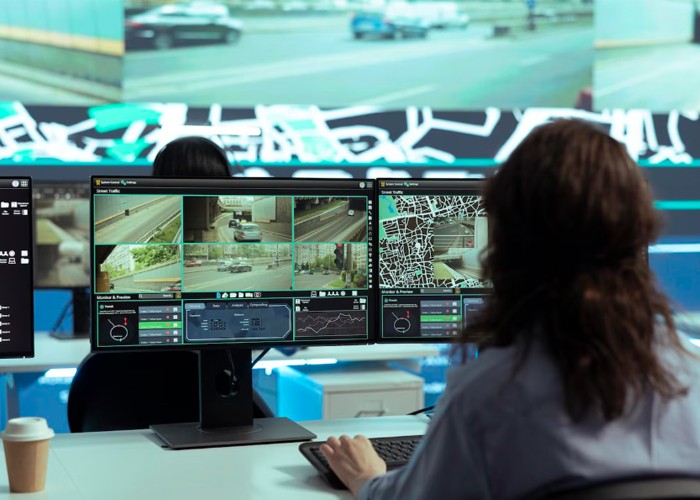
Remote surveillance helps monitor facilities, job sites, and warehouses 24/7. Suspicious activity gets flagged quickly.
2. Improved Operational Efficiency
Live monitoring supports better decisions. Teams can track processes, identify weak spots, and act faster.
3. Scalable Solutions
Whether a site is temporary or permanent, systems can match changing demands.
4. Mobile Asset Protection
Fleet tracking helps businesses monitor vehicles, deliveries, and expensive equipment.
No Cookie-Cutter Stuff Here: Why Customization Wins
Not every business operates the same way. A shopping center has different needs than a warehouse. A construction site faces different risks than a property manager.
That is why tailored solutions often outperform generic packages.
A smart process usually includes:
- Site evaluation
- Consultation
- Requirement capture
- System installation
- Ongoing monitoring
This approach improves reliability while reducing blind spots.
Who Benefits Most?
Remote monitoring supports many industries, including:
- Construction companies
- Warehouses
- Shopping centers
- Property managers
- Event organizers
- Manufacturing facilities
In each case, technology works best when it fits the environment instead of forcing a standard template.
Ready to Strengthen Security and Efficiency?
When dependable monitoring matters, Allied Remote Technology offers tailored solutions built for real operational challenges. From manufacturing to construction and property protection, the right system can simplify oversight, boost safety, and keep operations running smoothly. Reach out today to explore smarter protection.
Frequently Asked Questions
What is remote monitoring in manufacturing?
Remote monitoring uses connected systems like cameras, sensors, and tracking tools to oversee production sites, assets, and safety in real time. It helps reduce downtime, improve security, and support faster decision-making without requiring constant physical presence.
Can remote systems work for temporary job sites?
Yes. Many modern systems are designed for both temporary and permanent locations. Construction zones, pop-up events, and seasonal operations can all benefit from adaptable setups that provide security and operational visibility.
How does remote monitoring improve efficiency?
It offers real-time data, alerts, and visual oversight. This allows teams to catch problems early, reduce delays, and manage operations more effectively while minimizing unnecessary manual checks.
Is custom monitoring better than standard packages?
In many cases, yes. Customized systems address specific site risks and operational needs, making them more effective than one-size-fits-all solutions that may leave gaps.
What industries use remote monitoring most?
Construction, warehousing, logistics, property management, events, and manufacturing commonly use these systems because they depend on security, operational continuity, and asset protection.