Intelligent Remote Surveillance Systems for Operations and Transportation Networks
Modern operations rely on real-time visibility across sites, assets, and logistics. Remote monitoring systems now support industries such as construction, warehousing, and transportation. These tools help track activity, reduce risks, and improve coordination. With growing demand for smart surveillance and digital control, organizations are shifting toward connected solutions that deliver accurate updates and timely alerts for better decision-making and safety.
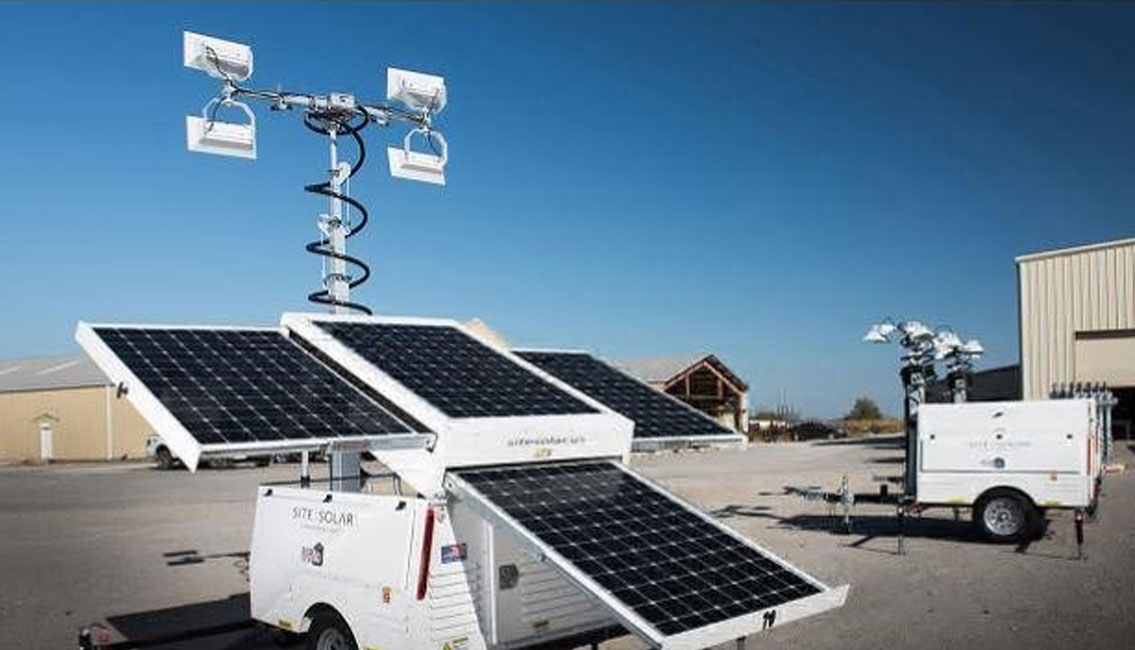
Why Remote Monitoring Matters for Daily Operations?
Remote monitoring plays a key role in improving safety and efficiency across multiple industries. It helps reduce manual supervision while increasing control over distributed locations. As operations expand, real-time data becomes essential for smooth workflow management.
Key benefits include:
- Improved visibility across remote sites
- Faster response to unexpected incidents
- Better coordination between field teams
- Reduced operational delays
- Enhanced asset protection
These advantages are especially important in sectors like construction, logistics, and transportation, where movement and timing are critical.
How Smart Monitoring Systems Work?
Smart monitoring systems follow a structured and simple process:
- Step 1: Cameras and sensors capture live site activity
- Step 2: Data is transmitted through secure networks
- Step 3: Monitoring dashboards display real-time updates
- Step 4: Alerts are generated for unusual activity
- Step 5: Teams respond based on system notifications
This process ensures continuous awareness of site conditions. It also helps decision-makers act quickly when disruptions occur.
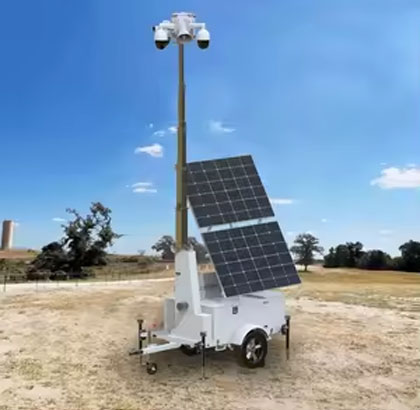
Smarter Control, Safer Operations Ahead
Modern monitoring solutions are reshaping how sites and assets are managed. From improving visibility to strengthening safety, they offer reliable support for complex operations. With growing reliance on digital systems, real-time control has become essential for industries handling dynamic environments and transportation networks.
To explore more advanced monitoring solutions and practical deployment support, consider connecting with Allied Remote Technology, Inc. for tailored systems designed to improve visibility, safety, and operational efficiency across every site and transportation requirement.
Frequently Asked Questions
What industries benefit most from remote monitoring systems?
Industries such as construction, warehousing, retail, and logistics benefit significantly. These systems also support transportation operations by providing real-time tracking and monitoring. They help improve safety, efficiency, and coordination across multiple locations and moving assets.
Are remote monitoring systems difficult to install?
No, most modern systems are designed for easy installation. They use wireless connectivity and simple setup processes. This reduces downtime and allows quick deployment even in remote or temporary environments without complex technical requirements.
How do remote monitoring systems handle data security?
They use encrypted communication channels and secure cloud storage. This ensures that sensitive operational data remains protected. Access controls and authentication systems also help restrict unauthorized entry, improving overall system safety and reliability.
Can these systems work in remote areas?
Yes, they are built to operate in remote and low-connectivity zones. Many systems use mobile networks or satellite links. This ensures consistent monitoring even in isolated areas like construction zones or transportation routes.
Do remote monitoring systems require constant human supervision?
No, they are automated to a large extent. While human oversight is still important, most alerts and monitoring tasks are handled by intelligent systems. This reduces workload and allows teams to focus on decision-making.