Stronger Security, Greater Peace of Mind: Remote Monitoring That Keeps Property Management on Track
Managing properties today takes more than routine checks and crossed fingers. From shopping centers to warehouses, every site needs reliable oversight. That is where smart remote monitoring changes the game. Property management works best when safety, visibility, and quick action come together.
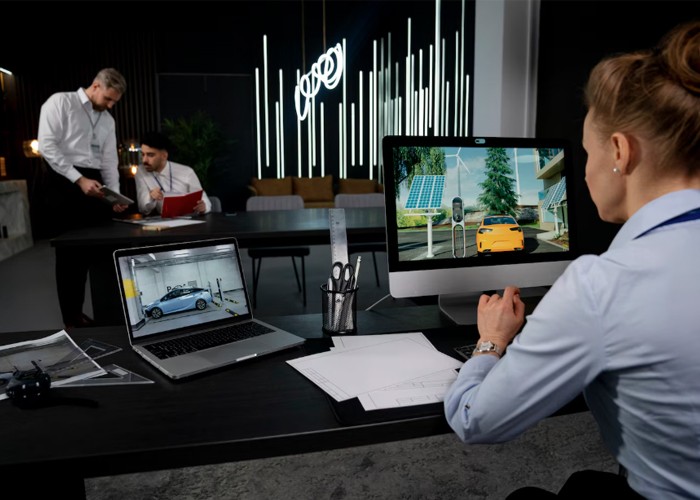
Real-time monitoring helps reduce blind spots. It supports faster decisions. It also keeps operations moving without constant on-site supervision. Whether handling vacant buildings, busy construction zones, or temporary job sites, remote technology gives property owners and managers stronger control.
With rising risks like theft, vandalism, and unexpected downtime, tailored security systems have become a practical tool rather than an extra expense.
What Makes Remote Monitoring a Real Game-Changer?
No More Flying Blind
Traditional security often reacts after something happens. Remote systems, however, focus on prevention.
Key benefits include:
- Live video surveillance
- Motion detection alerts
- Mobile asset tracking
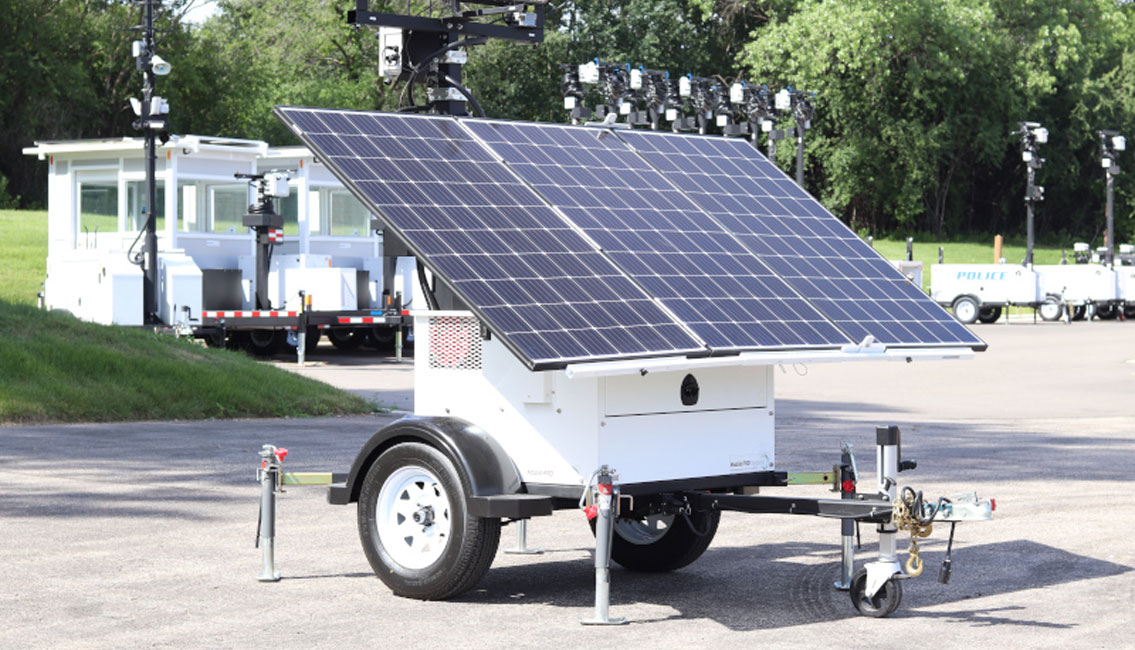
- Temporary and permanent installation options
- Real-time updates from virtually anywhere
This approach makes property management more efficient by helping teams spot issues early and respond fast.
One Size Fits Nobody
Every property comes with different challenges. A warehouse needs different protection than an event site. A shopping center may need broader visibility than a mobile fleet.
That is why custom-built systems matter. Effective monitoring solutions should:
- Assess site-specific risks
- Match technology to daily operations
- Offer flexible setup options
- Support both short-term and long-term needs
When systems fit the job, results improve.
How Does Smart Monitoring Actually Work?
Easy as Pie, Yet Powerful
The process stays simple while delivering strong protection:
Step 1: Site Review
A detailed assessment identifies vulnerabilities and operational goals.
Step 2: Tailored Planning
Technology is selected based on site size, industry, and security needs.
Step 3: Professional Installation
CCTV, tracking tools, and monitoring systems are installed strategically.
Step 4: Live Oversight
Users gain access to remote dashboards, alerts, and actionable insights.
This structure helps streamline property management while improving peace of mind.
Who Benefits Most From Remote Technology?
Smart monitoring supports many industries, including:
- Construction companies
- Warehouses
- Shopping centers
- Job sites
- Events
- Property protection teams
From protecting tools to monitoring visitors, remote oversight adds value across multiple environments.
Why Operational Efficiency Matters Too
Security is only one side of the coin. Monitoring systems can also improve workflow. They help reduce delays, track site activity, and support better resource management. That means fewer surprises and smoother day-to-day operations.
Ready to Make Security Simple and Smart?
When protection, efficiency, and control matter, the right remote monitoring partner makes all the difference. At Allied Remote Technology, tailored solutions help businesses strengthen property management with dependable systems built around real-world needs. Reach out today to explore smarter monitoring that fits like a glove.
Frequently Asked Questions
Is remote monitoring only for large commercial properties?
No. Remote systems work for both small and large properties. They can scale based on site size, budget, and security goals.
Can temporary job sites use these systems?
Yes. Temporary installations are designed for construction zones, events, and short-term projects needing reliable oversight.
Does remote monitoring reduce theft risks?
It can significantly improve prevention through live alerts, visible surveillance, and faster incident response.
Are these systems difficult to manage?
Most modern systems are built for ease of use, with mobile access and intuitive dashboards.
Can monitoring improve daily operations too?
Yes. Beyond security, it can help track productivity, logistics, and resource movement.