Safer Parks and Public Spaces Begin with Smarter Protection
Safety in parks and public spaces shapes how communities live, gather, and grow. Clean parks, busy shopping centers, active job sites, and open event grounds all need dependable oversight. Without the right systems, risks can slip through the cracks. That is why smart remote monitoring has become a practical solution for protecting people, property, and daily operations.
From public recreation areas to warehouses and construction zones, reliable security helps prevent theft, reduce downtime, and support faster responses. Better yet, tailored technology can adapt to unique challenges instead of forcing generic solutions. When monitoring works smoothly, everything else runs like clockwork.
What makes remote monitoring such a game-changer?
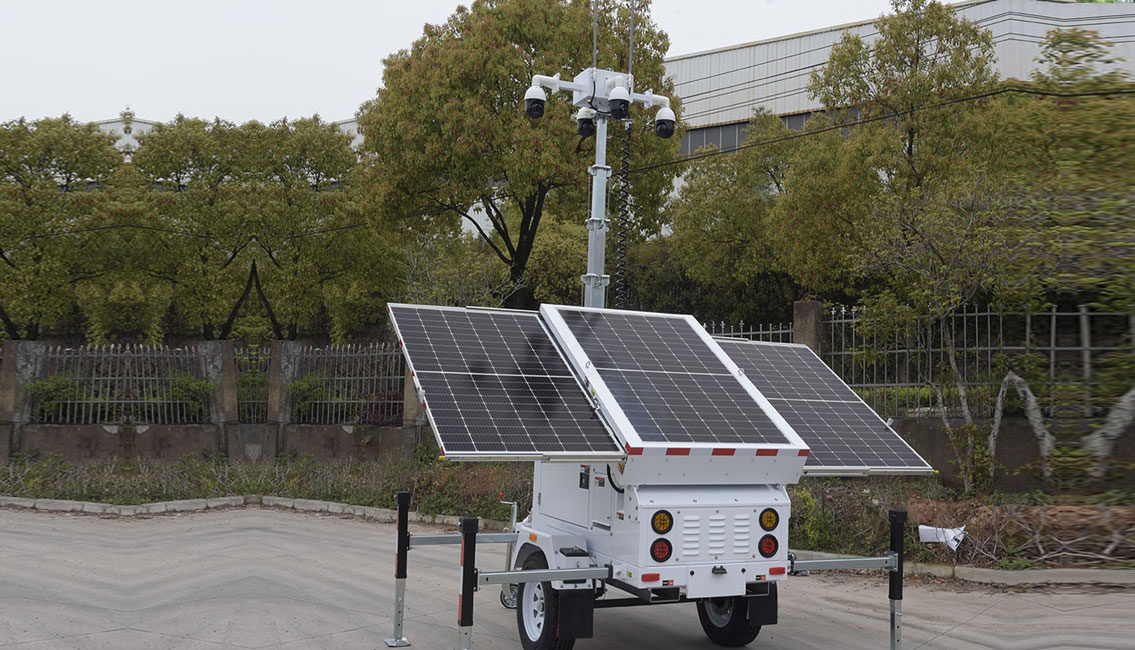
Modern remote monitoring is not simply about cameras. It is about staying connected, informed, and ready to act.
Key advantages include:
- Real-time alerts for suspicious activity
- Remote access from nearly anywhere
- Temporary or permanent installation options
- Better oversight for construction sites and events
- Increased safety for parks and public spaces
- Support for property and asset protection
Because of these tools, businesses and municipalities can spot trouble before it becomes a costly mess.
How does the process actually work?
A smart monitoring system often follows a clear process:
Step 1: Site evaluation
Every property has different needs. A shopping center differs from a park or warehouse.
Step 2: Consultation
Experts review goals, challenges, and security concerns.
Step 3: Customized planning
Technology is selected based on location, size, and risk level.
Step 4: Installation and support
Systems are installed for smooth daily monitoring.
This approach helps avoid cookie-cutter setups and creates better results.
Why tailored solutions beat one-size-fits-all
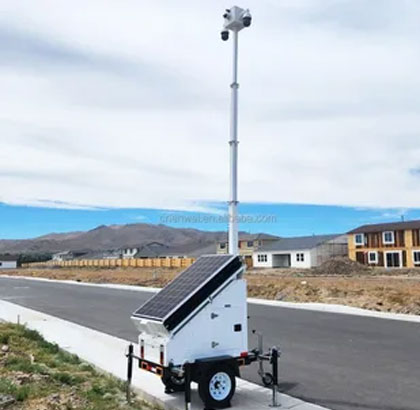
Different environments need different strategies. Construction companies may need mobile monitoring for remote sites. Event organizers may require temporary systems. Meanwhile, parks and public spaces often benefit from broader surveillance and public safety tools.
Customized systems can help with:
- Crowd management
- Equipment protection
- Public safety
- Remote asset visibility
- Operational efficiency
According to the Urban Institute, safer public spaces can improve community use and trust in shared environments.
Where can remote monitoring make the biggest difference?
Remote technology can support:
- Construction companies
- Warehouses
- Shopping centers
- Public events
- Mobile fleets
- Property protection
- parks and public spaces
This flexibility makes monitoring a smart move for both businesses and public organizations.
Ready to protect what matters most?
Safer parks and public spaces create stronger communities, while smarter monitoring supports smoother operations everywhere else. At Allied Remote Technology, tailored solutions can help secure job sites, properties, and public areas with confidence. Reach out today to explore practical monitoring systems designed to fit unique security challenges.
Frequently Asked Questions
Why is remote monitoring useful for public spaces?
Remote monitoring improves visibility, helps prevent vandalism, and supports quicker emergency responses. It also allows better oversight without requiring constant on-site staff, making it a practical solution for community safety.
Can monitoring systems work for temporary events?
Yes. Many systems are designed for temporary setups, making them useful for festivals, fairs, and outdoor gatherings where short-term security is essential.
Are customized monitoring systems better than standard packages?
Customized systems often provide better coverage because they match the site’s exact needs, whether for construction zones, shopping centers, or public areas.
What industries benefit most from remote technology?
Construction, warehousing, retail centers, transportation fleets, and public property management all benefit from better security and operational visibility.
How does monitoring improve operational efficiency?
It helps identify issues faster, reduces losses, improves resource management, and keeps managers informed in real time.