Advanced Site Security and Smooth Monitoring for Modern Operations
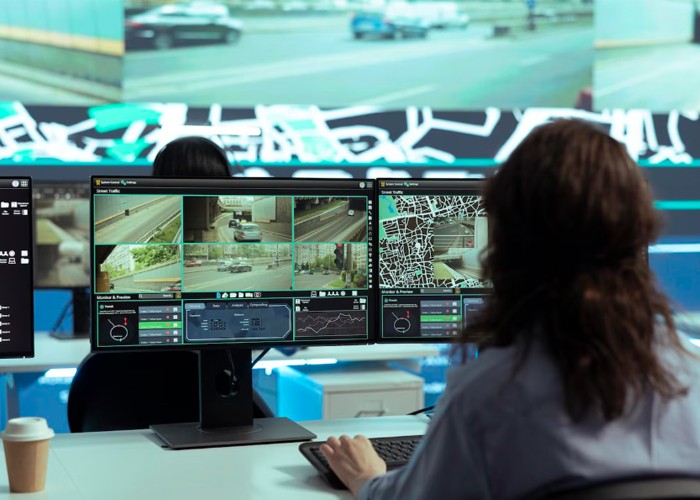
Fast-moving businesses need visibility. From construction zones to shopping centers, every site faces daily risks. Delays, theft, and blind spots can hurt progress. Strong monitoring supports safety, speed, and smarter decisions. It also keeps logistics organized when assets, teams, and equipment move constantly. Reliable remote systems help operations stay connected, reduce downtime, and improve control without adding confusion.

What Challenges Do Businesses Face Without Smart Oversight?
Many industries juggle multiple moving parts. However, without dependable monitoring, small issues can quickly snowball.
Common pain points include:
- Limited visibility across remote sites
- Equipment misuse or theft
- Delayed emergency response
- Weak coordination for logistics and scheduling
- Poor coverage in temporary locations
Because of this, businesses often lose time and money. More importantly, safety can suffer.
How Can Tailored Monitoring Change the Game?
Not every site works the same way. A warehouse needs different tools than an outdoor event. That is why customized systems matter.
Smart solutions often include:
1. Site Assessment
Specific risks are reviewed first. This creates a practical security plan.
2. Flexible Installation
Temporary or permanent systems fit each location’s purpose.
3. Live Monitoring
Real-time alerts improve response time and reduce uncertainty.
4. Operational Support
Monitoring also helps improve workflow, especially when logistics depend on timing and movement.
Who Benefits Most from Remote Monitoring?
Several industries gain major advantages from smarter oversight.
Key sectors include:
- Construction companies
- Warehouses
- Shopping centers
- Property managers
- Job sites
- Public and private events
Each environment needs security. Yet, they also need better coordination. That balance keeps teams productive.
What Makes Custom Solutions Better Than Standard Systems?
Off-the-shelf tools often miss unique site demands. On the other hand, personalized systems adapt better.
Benefits include:
- Better asset protection
- Scalable technology
- Remote access anytime
- Easier operational planning
- Improved logistics visibility
As a result, businesses stay proactive instead of reactive.
How Does the Process Usually Work?
Simple systems create smoother experiences.
A practical step-by-step approach:
- Request a quote
- Schedule a consultation
- Share site requirements
- Install and activate monitoring
This process saves time while ensuring proper coverage.
Ready to Strengthen Security and Simplify Operations?
When protection, visibility, and logistics all matter, the right monitoring solution makes a real difference. Allied Remote Technology offers adaptable systems designed for changing environments, helping businesses stay secure, informed, and prepared. Reach out today to explore smarter monitoring built around real operational needs.
Frequently Asked Questions
What industries use remote monitoring the most?
Construction, warehousing, retail centers, and event operations commonly rely on remote monitoring. These sectors often manage multiple risks daily, so real-time oversight improves security, tracks movement, and supports faster decision-making across changing environments.
Can remote monitoring help with business efficiency?
Yes. Remote systems do more than improve safety. They also support workflow management, track equipment, and strengthen logistics planning. This allows businesses to reduce delays and improve operational control.
Are custom monitoring systems better than standard packages?
Customized systems often perform better because they address specific site needs. Standard packages may overlook unique risks, while tailored solutions offer stronger coverage, smarter tools, and better flexibility.
Is temporary site monitoring available?
Yes. Temporary solutions are often used for events, job sites, or seasonal operations. These systems provide short-term protection without requiring permanent infrastructure or unnecessary long-term costs.
Why is real-time access important?
Real-time access allows managers to respond faster, monitor operations remotely, and reduce costly blind spots. It supports both safety and better business continuity.